Start the Tough Conversations When You’re With Family for the Holidays
by Eva Hager

It’s that time of year. Leaves are falling, the air is cooling, and darkness is encroaching ever closer. But it’s also a time when families come together to celebrate. A time for warmth, laughter, and reconnecting with loved ones near and far.
It is also one of the few times we gather with our extended family, offering a unique opportunity to address sensitive yet critical topics with aging parents or relatives. These conversations—about aging in place, end-of-life planning, and preparing for the possibility of age-related disability—are never easy.
The thought of bringing up subjects like decline and death over a festive meal can feel terrifying, even inappropriate. But a relaxed holiday environment, where everyone is present and perhaps more open to reflection and gratitude for the blessings we have, can be the perfect setting to gently introduce these topics.
It’s also a great time to model honest conversations between the generations. Any family with Germanic roots, like mine, knows how foreign that part can be. We just don’t get into each other’s business! But let’s work to get past our stoic stereotypes and model for our kids what loving curiosity can look like. The goal isn’t to solve everything in one sitting, but to open the door to ongoing dialogue.
I often tell my clients, “I don’t just talk about this with you. I do this with my own family, too!” But just because I have these conversations professionally all the time, it doesn’t mean it’s easy for me either. Families often avoid these discussions because they’re uncomfortable, and even well-intentioned inquiries can be misunderstood. On the other hand, if you don’t talk about a plan of action and a crisis occurs, like a fall or progressive dementia, everyone’s options become much more limited. Here are some thoughts on starting and navigating these topics with grace and purpose while you’re home for the holidays.
- Shift Your Mindset: From “Fixer” to “Listener”
Your primary goal is gathering information, not making decisions. Approach the conversation with curiosity, not a checklist of demands. Frame your questions from a place of love and concern for their well-being and wishes, not a judgment of their current independence. One of the best activities is to focus your initial conversations on values. What values would you like to pass on to your grandkids as you age? What would you like to share with them for their future? We support our loved ones by being curious about the values and actions that are important to them. If we don’t ask, we don’t know how we can best support them!
- Seize Natural Opportunities
Don’t schedule a formal “Family Meeting” unless absolutely necessary, as this can create immediate anxiety. Instead, look for natural segues:
- A family story: A story about a relative who did plan ahead (or didn’t) can offer a natural way to ask, “How would you want things handled?”
- A news item: A local news story about a new senior living facility or a recent health event can be a detached, impersonal way to start the conversation.
- A personal update: Sharing your own estate planning efforts can make the topic less about their age and more about responsible adulting in general.
- Focus on “Wishes,” Not “Rules,” and Ask Open-Ended Questions
Use language that empowers them to express their desires, not language that imposes decisions upon them.
Instead of: “You need to consider a nursing home.”
Try: “Where would you feel most comfortable if you needed more help with daily tasks?”
Instead of: “We need to set up your trust and power of attorney.”
Try: “Have you had a chance to think about how you’d like your affairs managed if you couldn’t do things yourself? ”
Here are some gentle conversation starters to guide the discussion:
- “I was thinking about the future, and I realized I’m not sure what you envision for yourself down the line. Can we talk about that?”
- “What does ‘aging well’ look like to you? What kind of support would you want to maintain your independence?”
- “If something were to happen to your health, who would you want to speak on your behalf and make decisions for you?”
- “We want to honor your wishes above all else. Have you written any of those down?”
- “What are the most important things to you regarding where and how you live as you age? “
- Be Prepared for Pushback and Resistance
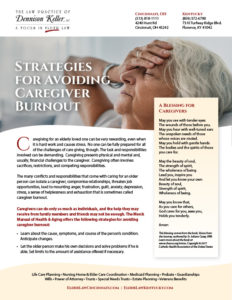
It’s natural for people to avoid these topics – whether they’re of Germanic extraction or not. They represent a loss of independence and mortality – scary concepts for anyone. If your loved one shuts down the conversation, respect their boundaries. Acknowledge their feelings and gently state that you are available whenever they are ready to talk.
- Keep It Going (Over Time)
These conversations are rarely “one and done.” Think of this holiday chat as Part 1 of an ongoing series. The goal is simply to introduce the topics and lay the groundwork for future discussions. The holidays are the introduction; the follow-up can happen over a phone call, or a lunch date, a few weeks (or months) later.
The Gift of Peace of Mind
Ultimately, the greatest gift you can give your family this holiday season isn’t wrapped in paper. It’s the gift of knowing their wishes and having a plan in place that respects their desires and their autonomy.
By approaching these topics with love, patience, persistence, and respect, you can transform a difficult conversation into a meaningful connection, ensuring that you can honor their wishes when the time comes.
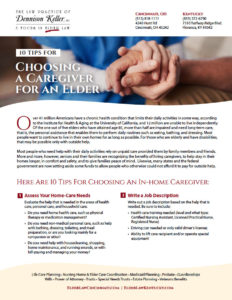
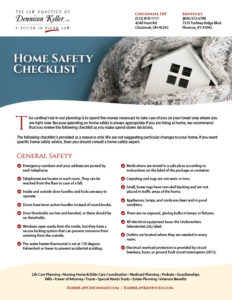
We Are Here to Help
When you or your loved one is ready to move forward, we are here to help. We understand that making these decisions and putting a plan in place can be overwhelming. Our professionals help facilitate those conversations and move those decisions forward. Our team boasts over 120 years of combined experience in elder care. We focus on Life Care Planning, which is a holistic approach to your legal and care needs. Our team includes attorneys, elder care coordinators (who are either a nurse or social worker), a Medicaid coordinator, a Veterans benefits coordinator, and paralegals who work together and with community partners to protect your assets, while also preserving your well-being and quality of life.